
Selçuk Ephesus, Where Faiths Meet
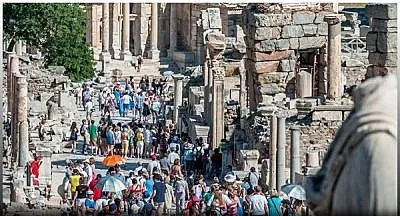
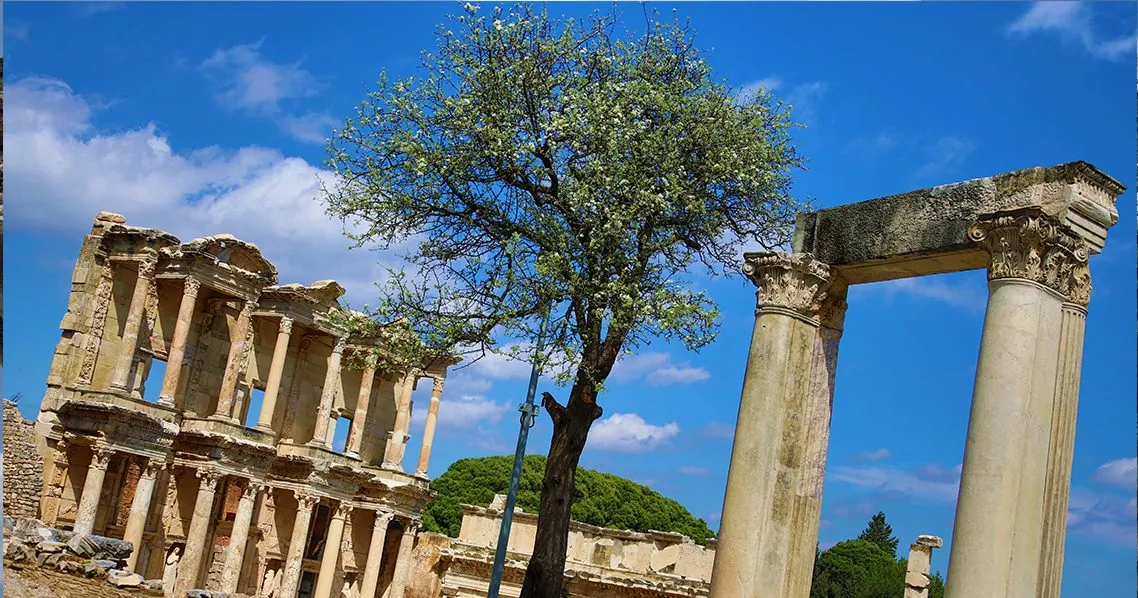
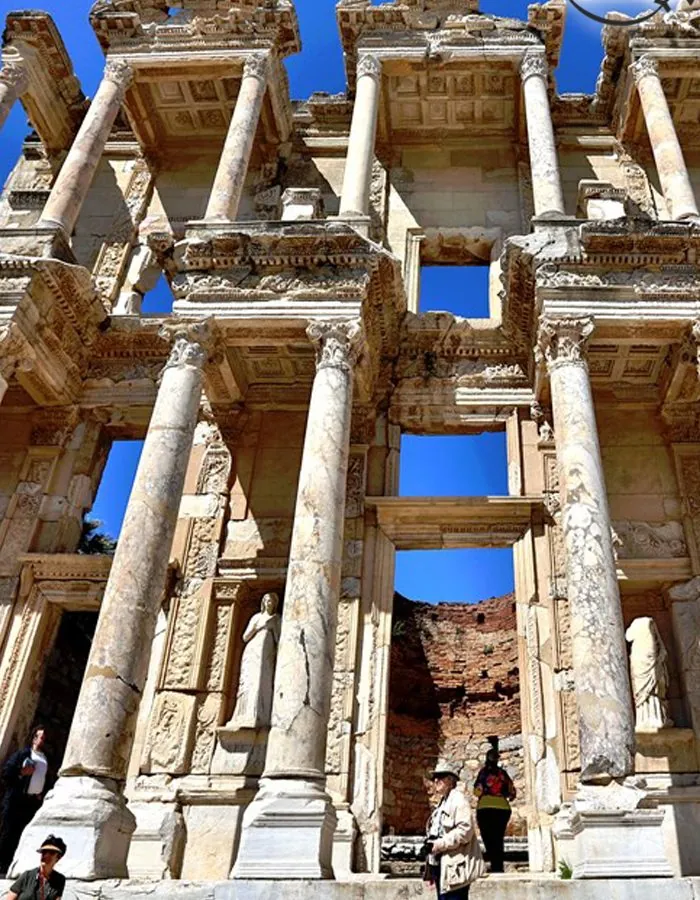
Ephesus, where St. Paul set out to spread Christianity, which Queen Cleopatra of Egypt and the Roman general Mark Antony visited, and where the Virgin Mary and St. John spent their last days, is today one of Türkiye’s most important cultural heritage sites, visited by millions of tourists every year.

Within an area of ten square kilometers, Selçuk Ephesus is home to the Temple of Artemis, one of the Seven Wonders of the Ancient World; the House of the Virgin Mary, sacred above all to Christians; Ephesus, the most magnificent ancient city in Türkiye; the tomb and basilica of St. John, the apostle of Jesus; the Cave of the Seven Sleepers; and the İsa Bey Mosque, one of the finest examples of the architecture of the Aydınid Principality (Aydınoğulları). In a small area, it offers a wealth of world heritage.
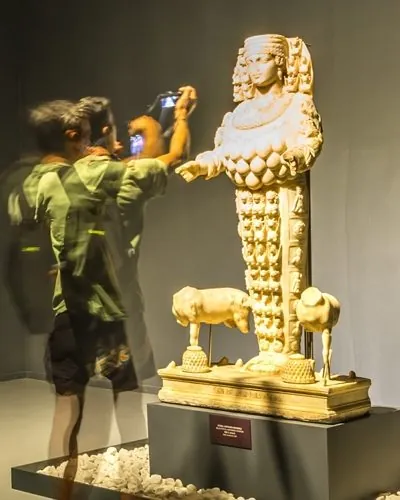
TEMPLE OF ARTEMIS: Dedicated to the mother goddess of Anatolia, the Temple of Artemis was built in the Archaic Period, with the support of Croesus, by the architects Chersiphron and Metagenes of Crete and by Theodorus. The temple was regarded as the most important sanctuary of its time. For centuries it served not only for worship and protection from evil, but also as the place where the cult statue of the goddess Artemis, the temple’s other treasures and votive offerings were kept.
CHURCH AND BASILICA OF ST. JOHN: After Christianity was accepted, churches began to be built in Ephesus, as throughout the Roman Empire. The Third Ecumenical Council, also known as the First Council of Ephesus, met in AD 431 at the Church of the Virgin Mary in Ephesus. Over time, an important pilgrimage site grew up around the tomb of St. John.
Since AD 300, various monumental structures have stood over the tomb of St. John, inside the Church of St. John, which now lies in the town center at the foot of the castle. In the first half of the 6th century AD, Emperor Justinian I built a domed basilica for this pilgrimage center, and from the 6th–7th centuries onward it served as the bishop’s church.
CAVE OF ST. PAUL: The small cave church on the northern slope of Mount Bülbül, about 80 meters above sea level, is known as the Cave of St. Paul. Besides some 300 graffiti proving that the cave was visited continuously until 1922, its five-part wall paintings are especially striking. The scene on the west wall in particular, with the names clearly visible, depicts a sermon given by the Apostle Paul as told in the apocryphal texts.
SEVEN SLEEPERS: The cave of the Seven Sleepers on the eastern slope of Mount Panayır is linked to the tradition of the saints that tells of seven young Christians who were walled up in a cave in the mid-3rd century and awoke 200 years later. A church was also built over their tombs, and the site is still considered sacred by Christians and Muslims today.
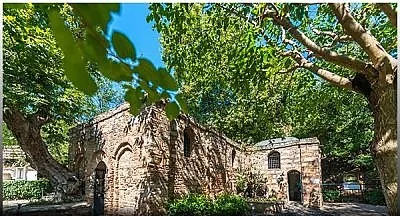
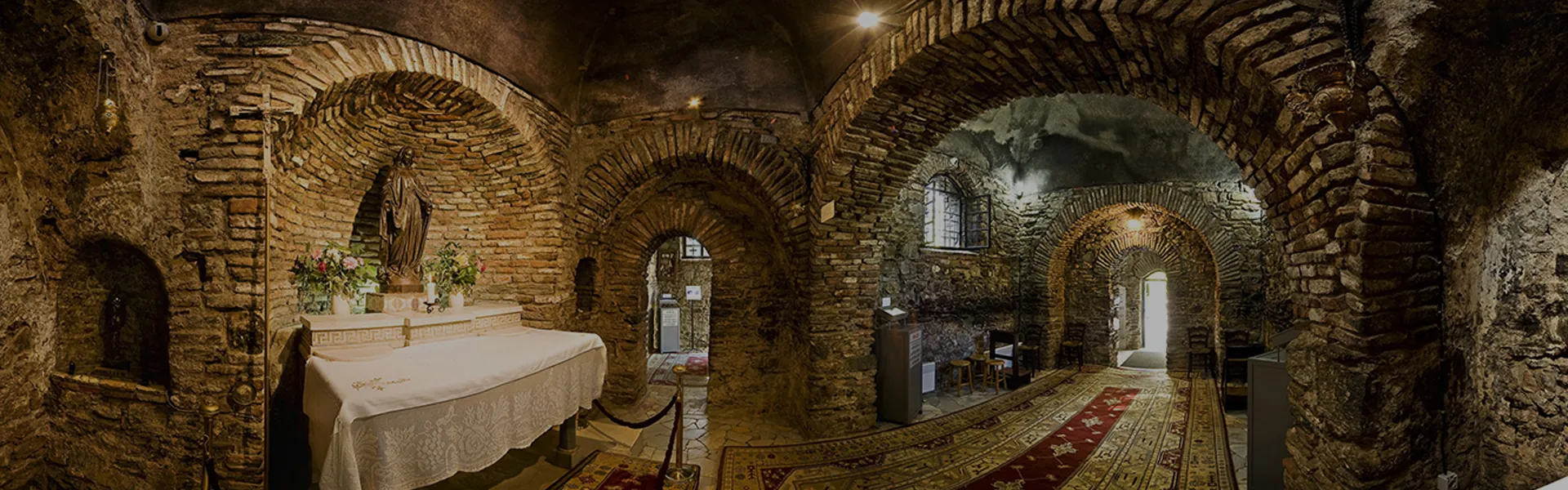
HOUSE OF THE VIRGIN MARY: On Mount Bülbül stands the house of the Virgin Mary, the holy mother of Christianity. Before Jesus breathed his last on the cross, he entrusted his mother to his apostle St. John. It is believed that St. John, finding it unsafe for her to remain in Jerusalem, then brought the Virgin Mary with him to Ephesus, hid her in a hut he built in a densely wooded corner at the foot of Mount Bülbül, and that the Virgin Mary died here. Since Pope Paul VI’s visit in 1967, services have been held every year on 15 August at the house, which Muslims also regard as sacred, and these services draw great interest.
The House of the Virgin Mary was declared a place of pilgrimage by the Vatican in 1961 and has been visited by Pope Paul VI (1967), Pope John Paul II (1979) and Pope Benedict XVI (2006).
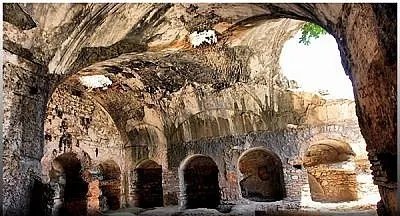
DOUBLE CHURCHES (CHURCH OF THE VIRGIN MARY): The Double Churches, opposite the Byzantine baths in Ephesus, hold a very special significance for the Christian world. This is the church where the council met in 431. Built as a basilica in the Roman Period in the 2nd century, the building was converted into a church dedicated to the Virgin Mary in the 4th century, and the Third Ecumenical Council held here proclaimed Mary “Theotokos” (Mother of God).
In the 7th century a second church was built, reached through a door opened from the apse of the church, and so the site became known as the “Double Churches”. As the first church dedicated to the Virgin Mary, it was recognized as a holy center with the blessing of Pope Paul VI in 1967.
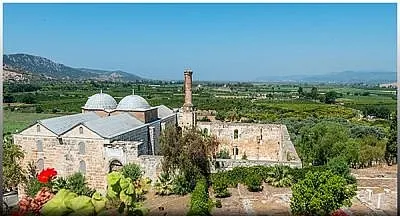
İSA BEY MOSQUE: The İsa Bey Mosque, on the western slope of Ayasuluk Hill below the Basilica of St. John, dates from the period of the Aydınid Principality (Aydınoğulları). It was commissioned by İsa Bey of the Aydınids in 1375. The building is one of the earliest known examples of the Turkish courtyard mosque and of the columned mosques of Anatolia, and with its decorative techniques and the monumental height of its main portal it bears traces of the Seljuk architectural tradition.