


UNESCO World Heritage · Selçuk, İzmir
8,500 Years of History
Await You
Ephesus, the Golden City and once a capital of the world.
“I have seen the great pyramids by the Nile and the mighty tomb of Mausolus. But when I saw the Temple of Artemis rising to the clouds, all those other marvels lost their brilliance!”
Antipater of Sidon · 2nd century BC
Must-see
Highlights
Tap a card to read its story.
Temple of Artemis
The first temple of the ancient world built of marble
Celebrated for its legendary beauty and splendor, as Antipater of Sidon put it, the Temple of Artemis was the first temple of the ancient world to be built of marble. It is also remembered as the “first monument” among the architectural works of antiquity and is one of the Seven Wonders of the World.
Artemis was the chief goddess of Ephesus and played a great part in the city’s fame. The temple kept its importance throughout the Hellenistic and Roman eras, welcoming visitors from every corner of the ancient world, and also served as a bank.
Read moreİsa Bey Mosque
Between the symbols of three faiths, a setting unique in the world
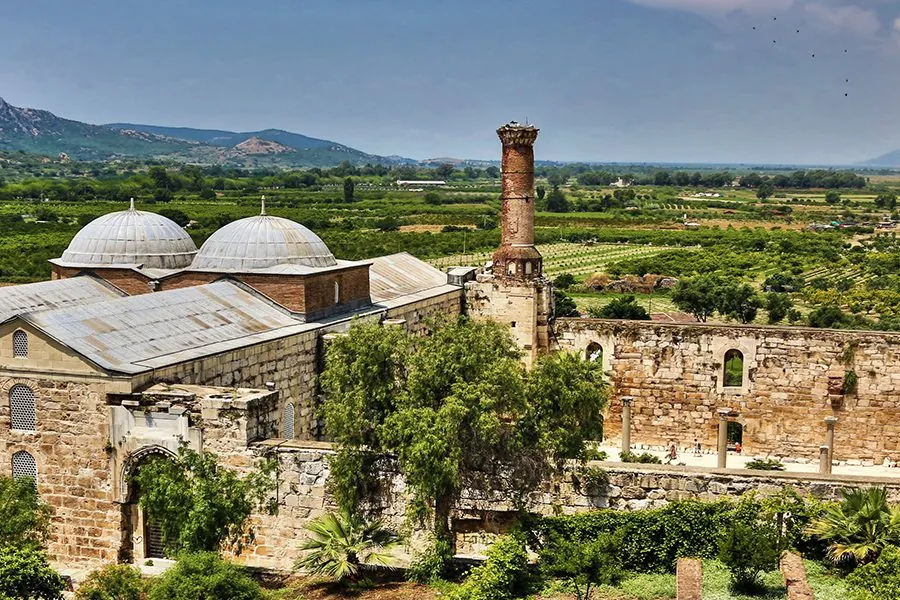
The İsa Bey Mosque stands on the southwest side of the hill, between the Temple of Artemis and the Basilica of St. John. Set within a triangle formed by the symbols of three different faiths, its location is deeply meaningful and has no equal anywhere in the world.
The mosque was commissioned in 1375 by İsa Bey of the Aydınoğulları and built by the architect Ali İbn-el Dımışkî of Damascus. The 51×57 meter building reuses pieces brought from Ephesus and the Temple of Artemis, especially its columns.
Read moreHouse of the Virgin Mary
A sacred house hidden at the top of Mount Bülbül
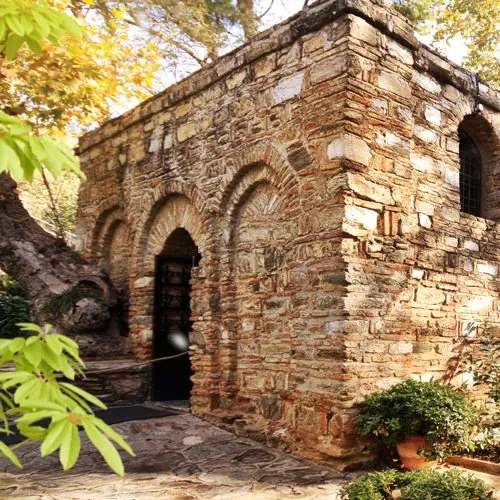
Mount Bülbül, which surrounds the ancient city of Ephesus, is regarded as a holy place by the Christian world. A great mass is held here every year on 15 August.
According to belief, Jesus entrusted his mother Mary to his apostle St. John, who brought her to Ephesus and settled her in this house on Mount Bülbül. Mary is believed to have spent her last days here.
Read moreSeven Sleepers
The legend of a 200-year sleep
North of the ancient city of Ephesus, a burial ground built inside a natural cave on the slopes of Mount Panayır is known as the Cave of the Seven Sleepers.
The legend of the Seven Sleepers, or Ashab al-Kahf, tells of six young men, a shepherd and their dog Kıtmir who fled persecution under Emperor Decius (AD 249–251), hid in this cave and woke after a 200-year sleep in the reign of Theodosius II.
Read moreAncient City of Ephesus
UNESCO’s Golden City
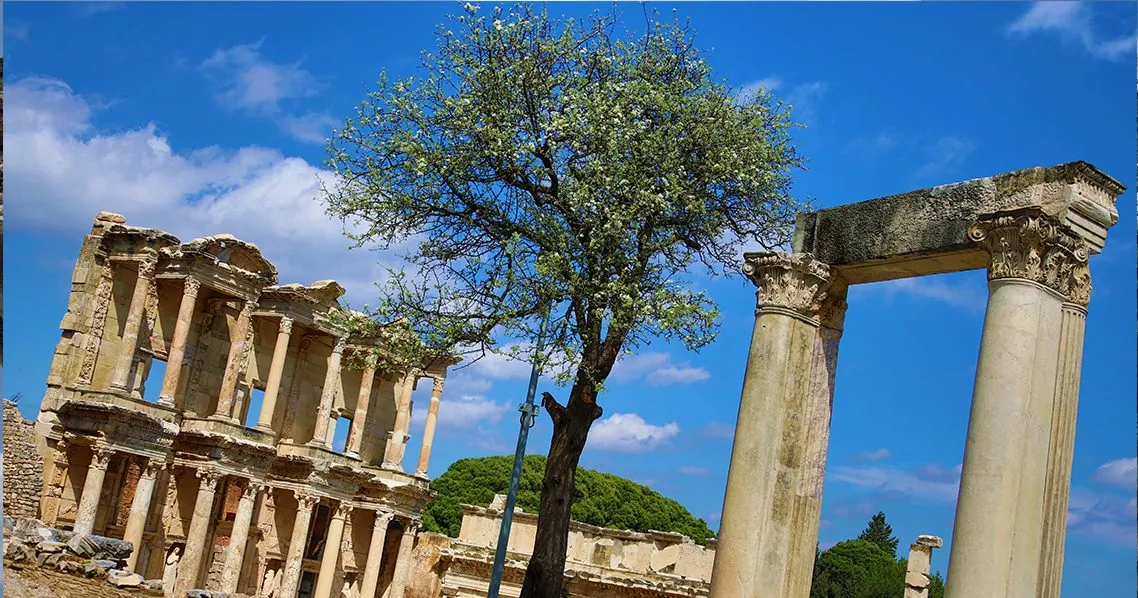
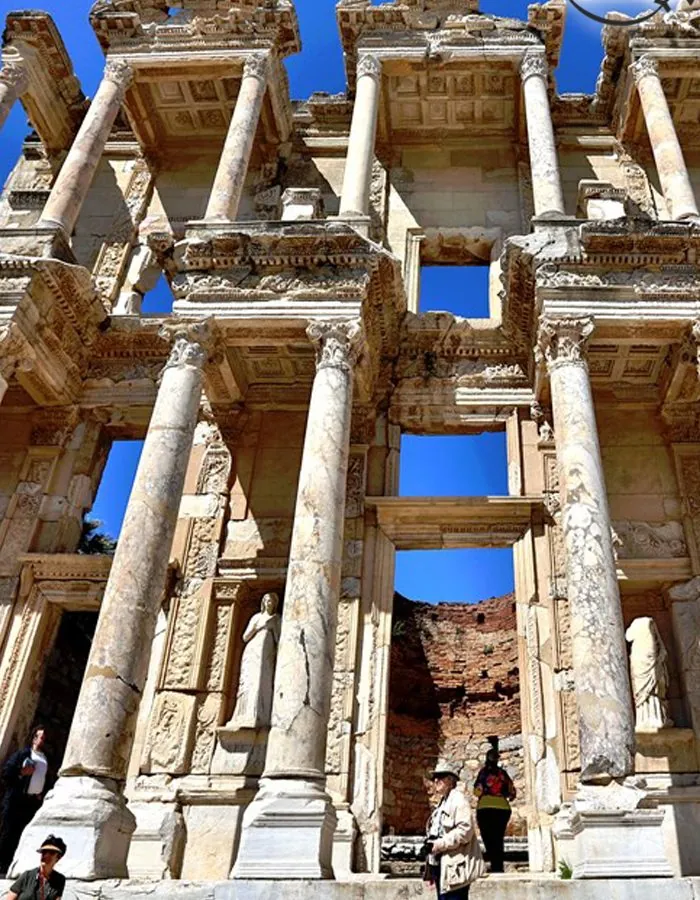
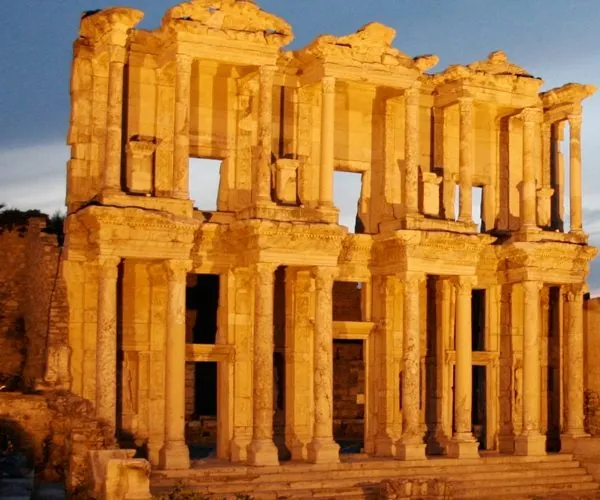
One of the great metropolises of the ancient world, Ephesus was the political, economic and cultural capital of Asia Minor. At its height the city was home to 250,000 people, and its agora was a meeting point for the whole world.
The largest ancient city in Anatolia in terms of the area open to visitors, Ephesus welcomes around two and a half million visitors a year and still bears witness to its ancient splendor.
Read moreEphesus Museum
The rich museum of a magnificent city
First established as a storehouse in 1929, the museum displays finds from excavations in and around Ephesus, spanning the Mycenaean, Archaic, Hellenistic, Roman, Byzantine and Turkish periods.
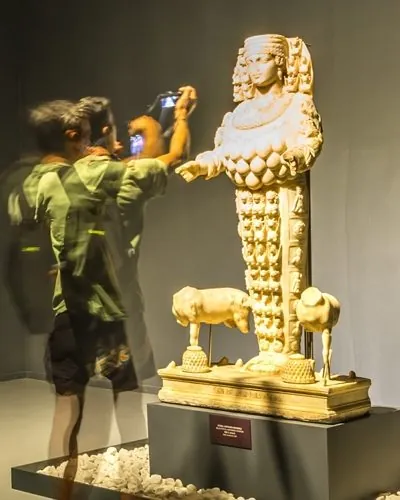
The collection holds some 60,000 artifacts. The statues of the Ephesian Artemis, the sacred goddess of the ancient city, are among the museum’s must-see works.
Read moreŞirince Village
A corner of paradise
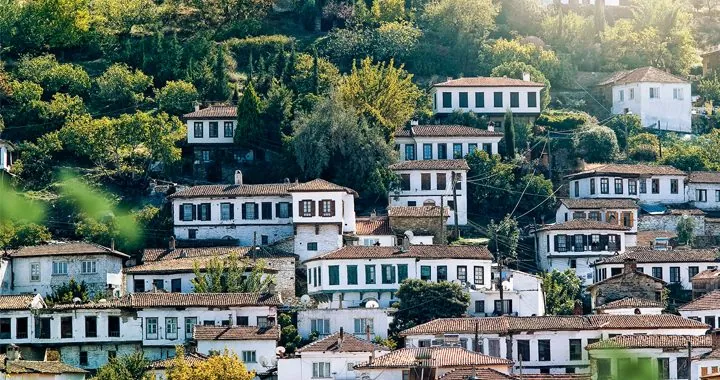
This is the village of which the Greek writer Dido Sotiriou wrote, “if there is such a thing as paradise on earth, our Kirkinje (Şirince) must have been a part of it.” Sabahattin Ali, too, remembered it as a “magic village.”
8 km east of Selçuk, at the end of a road winding through olive and tangerine groves, you are welcomed by 19th-century Greek houses and the sweet scent of wine grapes.
Read moreÇukuriçi Mound
The stone that pushed the history of Ephesus back a thousand years
Excavations at the Çukuriçi Mound brought to light a small black stone figure just 2 centimeters tall. This tiny amulet was some 9,000 years old and changed the history of all of Western Anatolia.
The figure revealed that life in Ephesus began not in the 6th millennium BC, as had been thought, but in the 7th.
Read moreBasilica of St. John
Where St. John lived and died
One of the twelve apostles, the most beloved and the youngest… St. John the Theologian, to whom Jesus entrusted his mother, lived here, wrote his Gospel here and died here.
A monumental tomb was first raised over his grave on Ayasuluk Hill, followed by a wooden-roofed basilica; the magnificent building seen today dates from the reign of Emperor Justinian.
Read moreByzantine Aqueducts
Arches that carried water to Ayasuluk
Starting east of the Gate of Persecution, the Byzantine aqueducts still stand intact within the town, especially around the train station, and continue north through the Şirince gorge.
The arches carried drinking water from springs near Belevi to the Byzantine settlement on Ayasuluk Hill and to the Basilica of St. John, a pilgrimage center of the Middle Ages. Marble blocks brought from Ephesus and the Artemision were used in their piers.
Read morePamucak Beach
A natural wonder on the deep blue Aegean
9 km from Selçuk and 6 km west of the ancient city of Ephesus, Pamucak (Ephesus Beach) stretches for some five kilometers. In places the sandy shore is as much as 80 meters wide.
If you are looking for a calm, peaceful beach, this is the place for you. Protected as a conservation area, the unspoiled shore is home to protected sea daffodils.
Read moreSelçuk City Memory
Where civilizations meet
Call it Ephesus, Ayasuluk or Selçuk; throughout history this land has been a city of migration that witnessed many civilizations. The City Memory lets you see that journey with your own eyes.
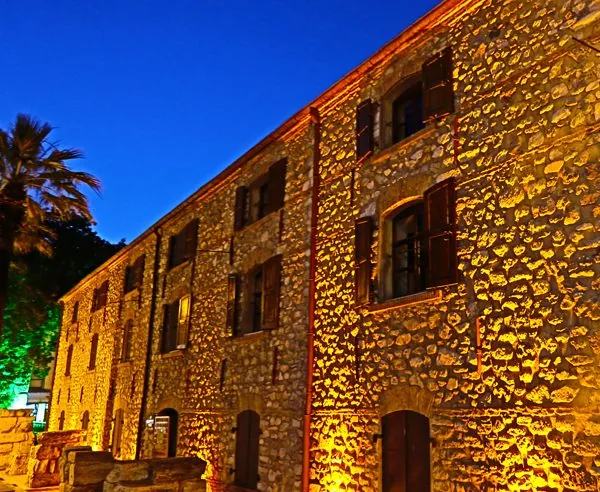
Built as a tobacco warehouse and also used as an arms depot in the First World War, the building reopened in 2012 as the Selçuk-Ephesus City Memory Center after a thorough restoration.
Read moreImagine it in its golden age
Experience Ephesus
Its streets alive with colorful crowds from many different peoples…
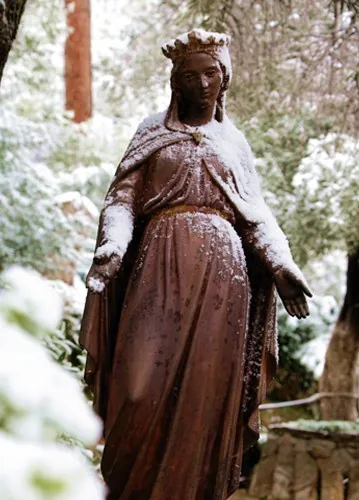
Feel the History
Witness the history of a city that bears the traces of many nations and faiths.
Discover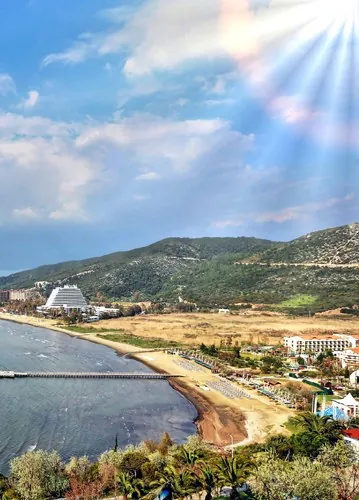
A City by the Sea
Bright sunshine, a deep blue sea and the long sands of Pamucak Beach: an Aegean natural wonder you won’t want to miss.
Discover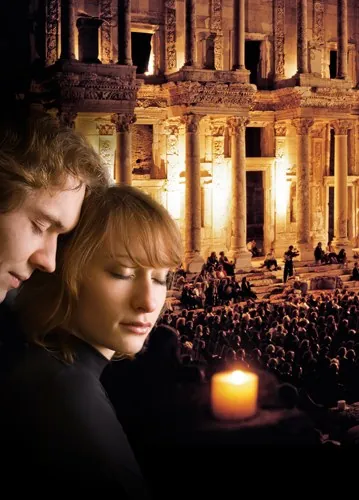
Culture and Art
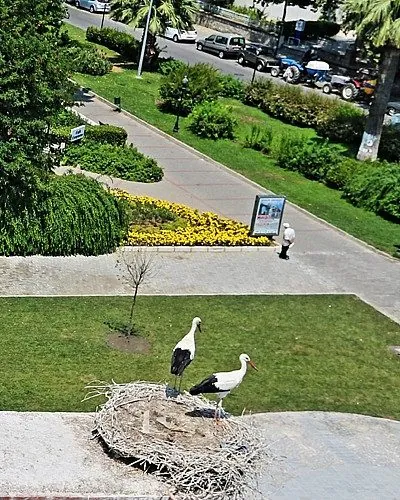
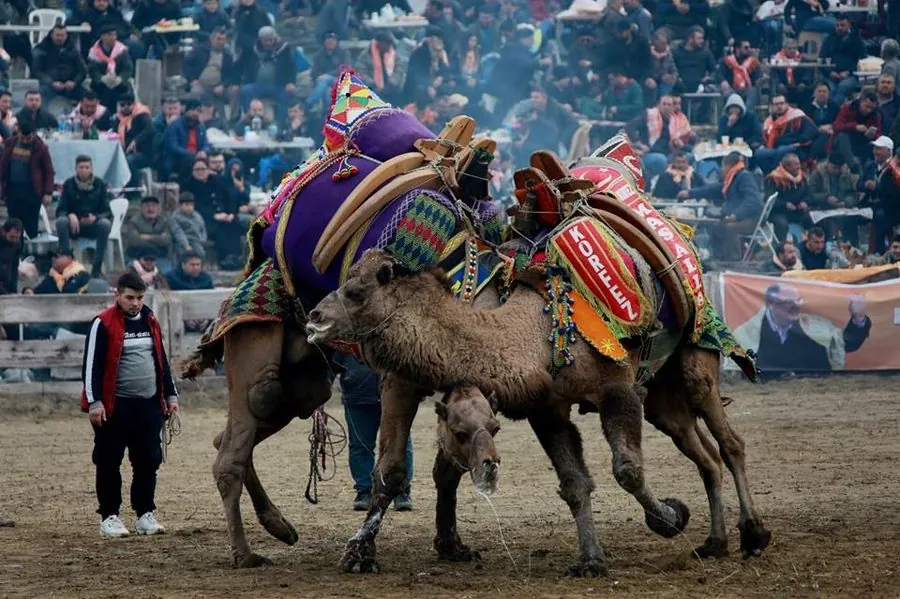
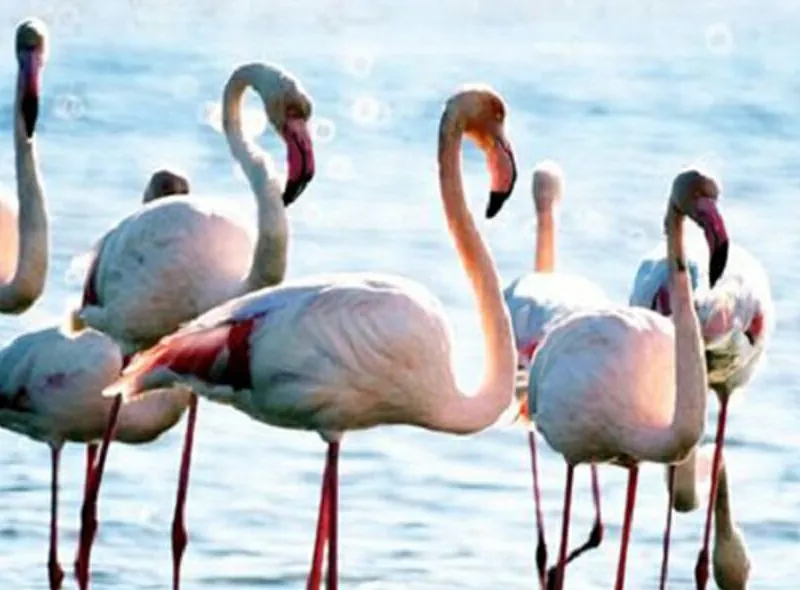
From the Camel Wrestling Festival to the Stork and Wildlife Culture Festival, events all year round.
Discover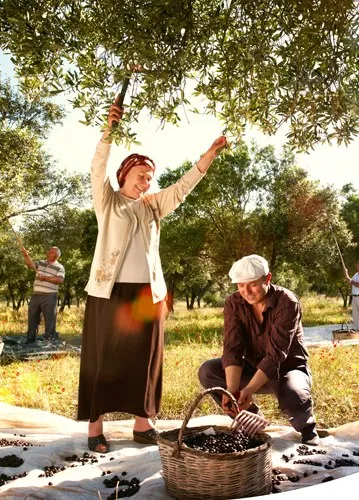
An Organic City
A different culture on every plate: golden olive oil, fragrant herbs and Aegean cuisine.
Discover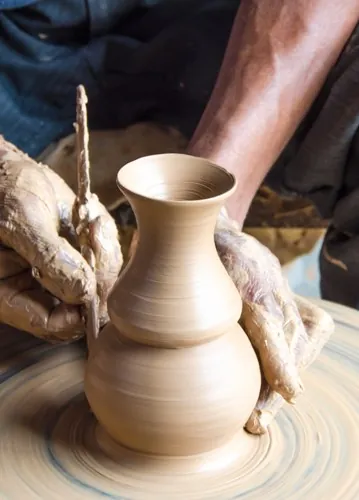
Handicrafts
From traditional Turkish carpets woven with root-dyed yarns to ceramics, works crafted with patience and skill.
Discover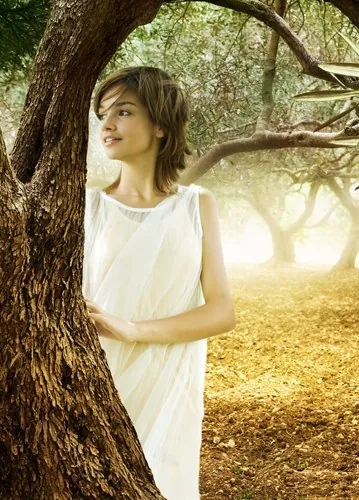
Ecotourism
Nature walks and healthy living on 180 eco-tourism routes waiting to be discovered around İzmir.
DiscoverFrom Selçuk Ephesus
Snapshots
Tap a photo to enlarge it.
Plan your journey
Plan Your Visit
Getting Here
About an hour’s drive from İzmir, with easy access by air, train and bus.
Transport infoWhere to Stay
From boutique hotels in stone houses to five-star resorts.
HotelsMuseum Pass
Visit the museums and ancient sites around Ephesus with a single card; current prices and opening hours.
Pass options